
Common Mistakes When Getting Back into Surfing (and How to Avoid Them)
Are you planning to get back to surfing at the start of the season? Before putting on your wetsuit and heading into the water, take two minutes to read this article. Getting back into surfing is a moment many surfers eagerly anticipate. After a winter break or a few months away from the waves, the desire to get back on your board, feel the ocean, and glide again is stronger than ever. But be careful—this transition period is also when most mistakes happen: overconfidence, choosing the wrong board, preventable injuries… Getting back in the water requires more than just motivation. It demands proper preparation, the right mindset, and some technical adjustments to enjoy your return without injury or discouragement.
In this article, we review the most common mistakes when resuming surfing. Whether you’re a beginner or an experienced surfer, you’ll find practical advice to avoid common pitfalls and approach the season with confidence. At Ocean Ride, we prefer to see you gliding rather than grimacing, ensuring a 100% enjoyable return.
1. Overestimating Your Physical Fitness: Mistake #1
The sun is out, the swell is picking up, and so are you. It’s tempting to think your body is ready to jump back in as if nothing happened. Even if you’ve stayed in shape with running or cycling, surfing is a very different discipline. It uses specific muscles—especially the shoulders, back, and core—while requiring constant adaptation to the movement of the water. If you go too hard, too fast, you risk burning out on your first session. Fatigue comes quicker than you think, along with technical errors, frustration, and sometimes injury.
The ideal is to ease back in: limit your first sessions to one hour, with a good warm-up before entering the water. Add a short program of paddling, core strengthening, and mobility exercises to regain fluidity on the board. Check out our article Why Physical Preparation Is Important Before the Surf Season.
2. Using Equipment That’s Too Technical
You may have progressed at the end of last season, but your current level might not match your last board. Many surfers make the mistake of jumping on a shortboard that’s too high-performance, thinking they’ll quickly regain their feel. The result: discouragement, loss of motivation, and sometimes a drop in confidence.
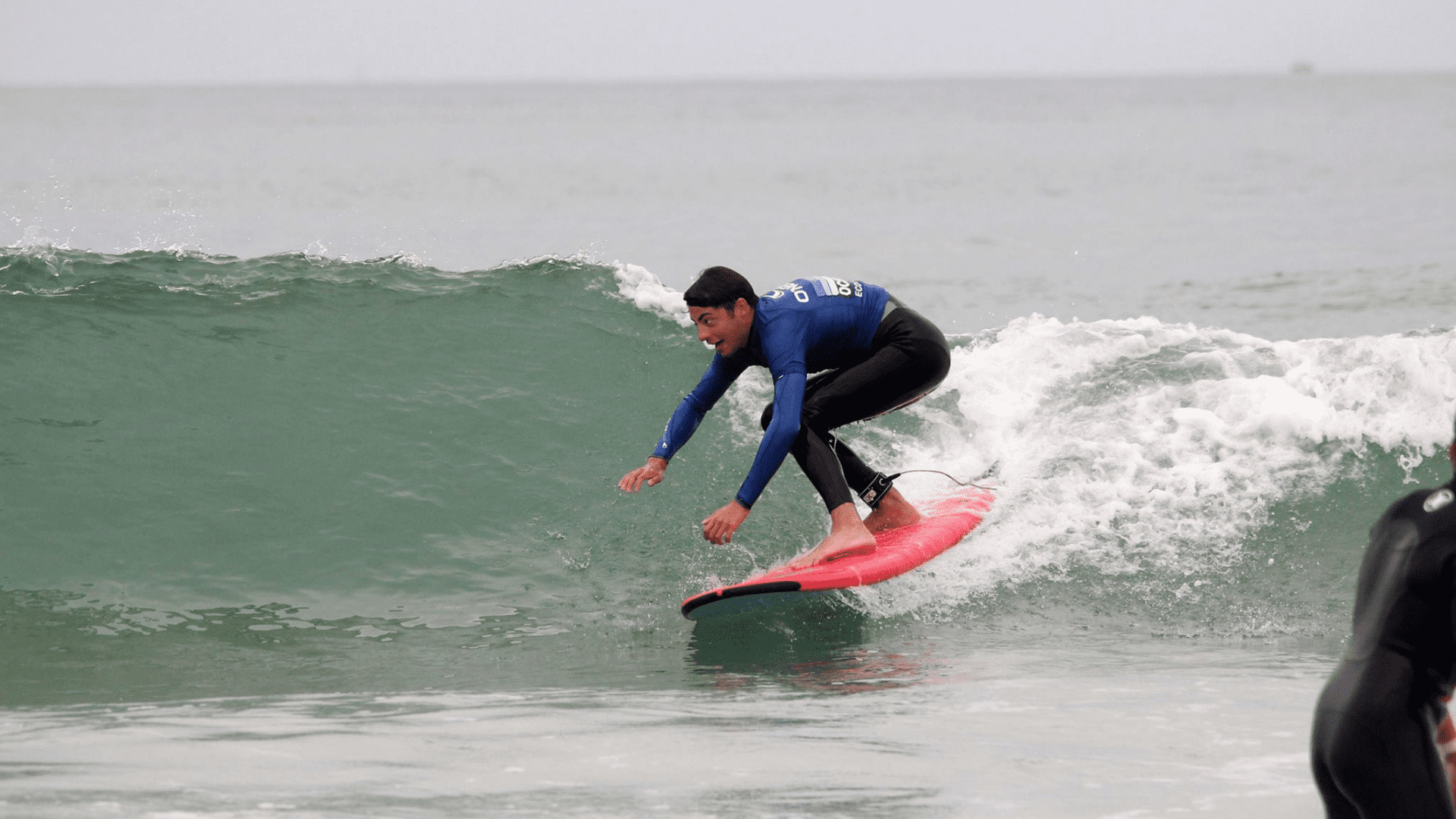
To avoid this, choose a more forgiving board that makes paddling and take-offs easier. A mini-malibu or even a softboard can work wonders for regaining pleasure and stability. In Lacanau, at Ocean Ride, we see surfers every year rediscover their passion thanks to a good board choice at the start of the season. Don’t hesitate to rent or test a board before investing again.
3. Ignoring Your Body’s Signals: The Silent Trap
You leave your first return session euphoric. But the next day, your body speaks: stiff shoulders, sore lower back, intense muscle soreness… These are warnings not to be ignored. Surfing is a demanding sport, and getting back in the water requires true self-awareness. Too many surfers resume at the wrong pace, chaining sessions or refusing to slow down, which opens the door to common injuries like tendinitis, sprains, or chronic pain.
If you experience persistent discomfort or sharp pain after several days, see a professional. As prevention, do a complete warm-up before entering the water, including joint mobilization and dynamic stretches, followed by light stretches after the session to aid recovery.
4. Returning After an Injury Without a Clear Plan
Were you injured this winter? Before getting back to surfing, more than a medical green light is needed. A successful return requires a surf-specific reconditioning protocol. Too many surfers jump back in on a whim, thinking that simply surfing will be enough. Big mistake. Without specific work on proprioception, core strength, and mobility, you risk relapsing quickly. A poorly rehabilitated sprain can flare up with the slightest imbalance on the board.
Start with short sessions on easy spots. Prioritize consistency over intensity.
5. Training Off the Water… But Doing It Wrong
Getting back in shape for surfing is a great idea, but you need a program aligned with the sport’s demands. Doing generic gym sessions or intense cardio every day won’t have the same impact as surf-focused training.
The goal is to strengthen key areas (shoulders, back, core) while working on mobility, balance, and explosiveness. Include rowing, dynamic core work, exercises on a Swiss ball, and specific stretching. A well-designed routine will help you handle sessions better and progress faster once back in the water.
6. Choosing the Wrong Conditions
You’re excited, you check the forecast, and you go for it… without analyzing properly. Big mistake. Conditions play a huge role in your return. Too big a swell, onshore wind, or unfavorable tides can turn your session into a struggle. Surfing in poor conditions exposes you to unnecessary fatigue, frustration, and sometimes risky situations.
It’s better to pick a slot with a small, clean swell (0.5–1m), light wind, and a lightly crowded spot.
7. Not Setting Goals = Risk of Stagnation
It’s often forgotten, but even when returning, setting clear goals can boost your motivation. Whether it’s performing a clean take-off, improving paddling, or simply enjoying the ride, having a target helps structure your sessions. Without it, you risk repeating mistakes or losing motivation.
A good habit: write down your feelings after each session, identify what worked and what didn’t, and adjust your priorities. If you want extra help, Ocean Ride’s private surf lessons are perfect for reigniting your progression with an experienced, supportive eye.
Getting back into surfing at the start of the season is great. To keep it enjoyable and avoid common pitfalls, take time to prepare properly. Respect your body, choose the right gear, pick the right conditions, and keep clear goals—you’ll maximize your chances of a smooth return. And if you want support, Ocean Ride welcomes you in Lacanau with equipment, lessons, and advice for a 100% enjoyable season.
FAQ – Common Mistakes When Returning to Surfing

The most frequent mistake is thinking you can jump back in as before, without warm-up or progression. This often leads to fatigue, frustration, or injury.
Yes, because an unsuitable board makes paddling and take-offs harder, generating frustration. It’s better to start with a forgiving shape, even temporarily
This is a common mistake. Surfing requires good overall fitness. Neglecting off-water training slows progress and increases the risk of injury.
Avoid too big a swell, onshore wind, or crowded spots. These conditions can quickly tire you and slow your confidence-building return.
